Guides
Which portable restroom rental equipment actually belongs on the truck?
A portable restroom rental equipment checklist grouped by where each item lives, on the truck, in the unit, in the yard, on the driver, and what fails without it.
What to take away
- Group your equipment list by where the item lives rather than by what it costs. A driver who is missing something cannot go back to the yard for it.
- Every line deserves a second columnwhat goes wrong when it is not there. That is what separates a real list from a shopping list.
- The items most often missing are small and cheapa spare hasp, a length of hose, a wheel chock, a working light.
- Defer depth. Never defer the things that let one person finish a stop alone and safely.
General guidance only. Manufacturer instructions govern each item, and local rules govern waste handling, vehicle equipment and yard discharge.
The four places equipment lives
Where equipment lives
On the truck
- Purpose
- Finish stop
- Gap cost
- Return visit
In the unit
- Purpose
- Customer sees
- Gap cost
- Complaint
In the yard
- Purpose
- Turnaround
- Gap cost
- Dirty stock
On the driver
- Purpose
- Safety and records
- Gap cost
- Injury or dispute
| Location | What it is for | The cost of a gap there |
|---|---|---|
| On the truck | Completing a stop without going back to the yard | A return visit, or a stop done badly |
| In the unit | What the customer actually sees and touches | A complaint, and sometimes a safety issue |
| In the yard | Turning returned units around | Dirty stock going back out |
| On the driver | Working safely and recording what happened | An injury, or a dispute with no evidence |
On the truck
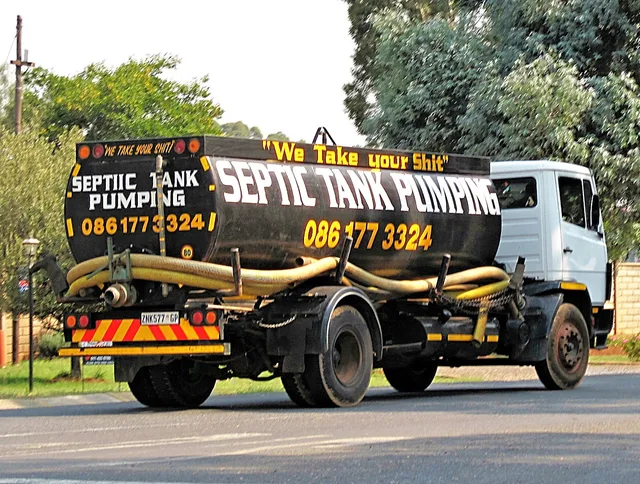
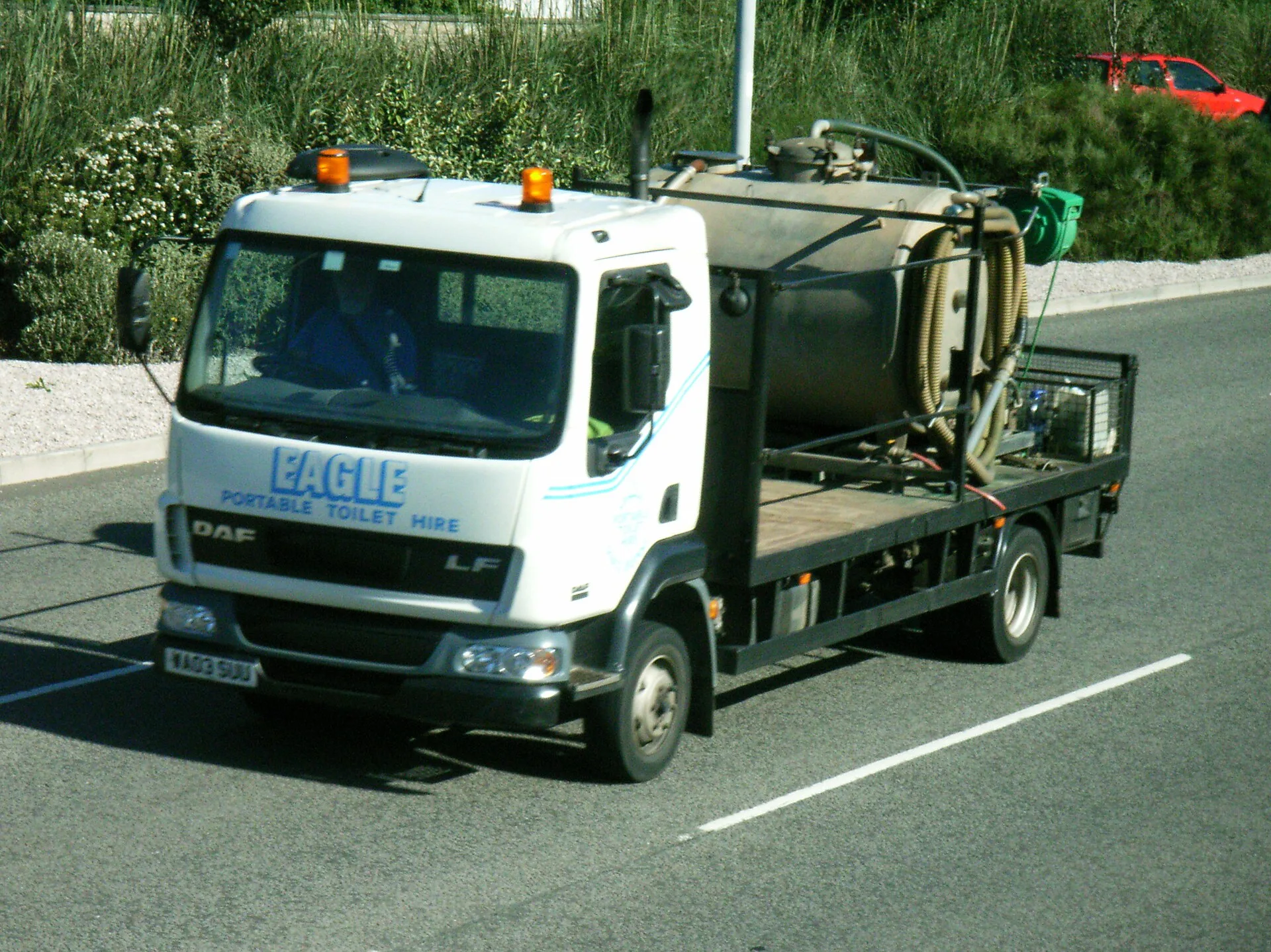
- Suction hose in the standard length, plus one extension section and the couplings for it
- Fresh water hose, nozzle and a fill fitting that matches your usual water source
- Deodorizer charge, measured out per unit rather than poured by eye
- Paper, hand sanitizer or soap refills, and the seat covers you supply
- Brush, scrub pad, squeegee and a wash-down wand
- Gloves, eye protection and a change of outer clothing
- Wheel chocks, cones and high-visibility clothing for roadside stops
- Hand toolsadjustable wrench, screwdrivers, pliers, a hasp and padlock set
- Spare wear parts: door spring, hinge pin, seat lid, vent stack cap, hose gasket
- A working light that can be aimed into a unit, because a service before dawn is normal in winter
Without the extension hose, a placement moves out of reach and the stop becomes a manual job. Without a spare door spring, a unit is left with a door that will not close and the customer photographs it.
In each unit
- Seat and lid, secure and undamaged
- Door hardwarehinge, spring, latch and the occupied indicator if fitted
- Vent stack, clear and capped
- Paper holder, filled, and mounted where it stays dry
- Hand sanitizer dispenser or a wash station beside it, depending on the site's requirement
- Interior surfaces free of graffiti and residue, checked in daylight
- An identity marking that ties the unit to your records
- Anchoring or ballast where wind is a risk, and skids or feet that suit the surface
In the yard
- Wash-down area with a discharge arrangement the local authority has approved
- Separate holding areas for ready stock and for returns, physically apart
- Repair bench with the wear parts stocked to a set level
- Bulk chemical and paper storage, kept dry and away from the wash area
- Water fill point the truck can reach without blocking the gate
- Secure storage for units and for the truck overnight
- A board or system showing what is deployed, what is ready and what is waiting on a part
Mixing ready stock and returns is the most common way a dirty unit reaches a customer. It is a layout problem before it is a discipline problem.
On the driver
- Vehicle and hauler documentation, current and to hand
- The day's route with access notes, gate codes and site contacts
- A device or paper form to record what was done at each stop, including photographs
- Personal protective equipment sized to the person wearing it
- A way to report an exception without waiting until the end of the day
What the driver records at the stop is the only evidence you will ever have about the condition of a unit. The IRS on which records a business keeps is clear that the system is yours to choose so long as it supports what you claim, and in this trade the same records also settle damage disputes.
The safety lines that are not optional
Working alone, working beside traffic and lifting are the three exposures in this job, and equipment removes more risk than instruction.
OSHA's guidance on safety and health programs frames the task as finding and fixing hazards, not managing them. Here that means the dolly, the light, the cones and a second pair of hands for a placement that needs one.
The sanitation obligations that sit on your customers' sites are a separate question, covered by the federal sanitation standard for workplaces and by whatever state plan or permit condition applies. Knowing what your customer must provide helps you equip for it, and the wider permissions picture is in which authorities regulate this trade.
What to defer, and what never to defer
Defer depth: more units of a class you already own can wait until the refusals justify them. Defer a second unit class. Defer branding, a second yard, and anything that only improves appearance.
Never defer the wear parts shelf, the extension hose, the lighting, or the protective equipment. Each is cheap. Missing any one costs a return visit or an injury.
The order for the rest is set out in how the fleet and the truck are chosen, and what a driver does with all of it in how a service day is actually run.
When the list starts growing because you are adding territory rather than depth, the questions change; that case is handled in what limits growth here.
Common questions
How many spare parts is enough on the shelf?
Enough that no single common failure sends a unit out of service for more than a day. After one season your own repair log tells you which three parts that means, and it is usually the door hardware.
Should the driver carry a full second set of everything?
No. Carry what fixes the failures that happen at a stop and can be fixed there. Anything that needs a bench belongs in the yard, and the unit should be swapped instead.
Is a pressure washer necessary?
Something that cleans a unit properly and quickly is necessary. Whether that is a pressure washer, a wand off the truck's water tank, or a wash bay depends on your volume and on what your yard is permitted to discharge.
What equipment do owners regret buying first?
Anything bought to serve a job that had not been won yet. The units and the truck should follow committed work, and the yard equipment should follow the units coming back.