Guides
Equipment classes in portable restroom rental, paired to real demands
Portable restroom rental equipment paired properly: unit classes against what each demands, the truck's two tanks, hose reach, and the yard that turns units around.
What to take away
- Six unit classes cover most rental work: standard, ADA-accessible, high-rise, hand-wash station, restroom trailer and luxury trailer. Each demands different access, water, power or cleaning time.
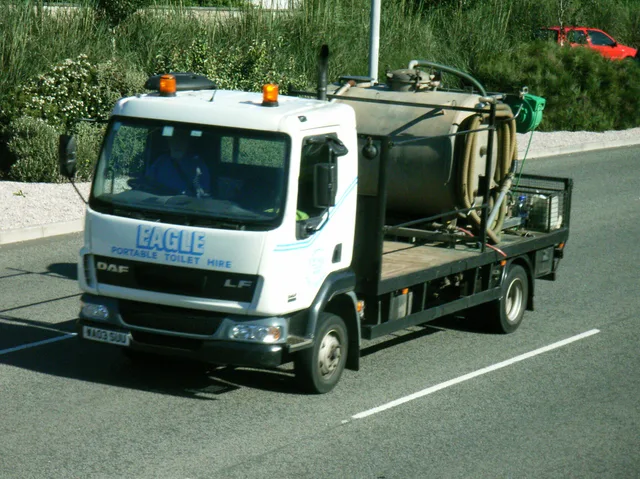
- Specify the truck from the route. Waste gallons, fresh water, hose length and wheelbase follow from the day's stop count and the distance to your receiving point.
- Hose reach is a pricing decision. A placement beyond standard reach becomes a re-quoted job, a moved unit or a refusal.
- The yard performs four jobsreceive returns, wash and inspect, hold ready stock, and discharge wash water under a permit.
- Buy in year two from your own refusal and repair logs, not a supplier's clearance list.
General operating guidance rather than legal or engineering advice. Waste handling, vehicle specification and wash-water discharge are regulated locally.
The six unit classes and their demands
Read the handling column before you add anything to the fleet.
Unit classes and their demands
Class
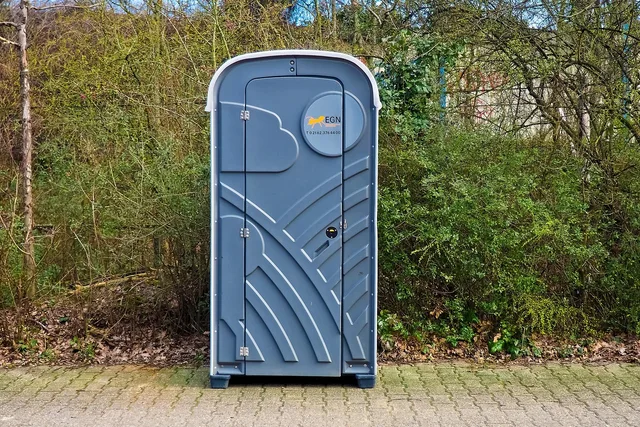
- Standard unit
- Construction, events
- Accessible unit
- Accessibility obligation
- High-rise unit
- Multi-story construction
- Restroom trailer
- Weddings, offices
- Hand-wash station
- Food service
- Holding tank
- No sewer fixtures
Typical use
- Standard unit
- Level ground, hose reach
- Accessible unit
- Firm pad, wider approach
- High-rise unit
- Lifting points, crane coordination
- Restroom trailer
- Water, power, cleaning time
- Hand-wash station
- Fresh water, greywater plan
- Holding tank
- Pumping schedule by volume
What it demands
- Standard unit
- Accessible unit
- High-rise unit
- Restroom trailer
- Hand-wash station
- Holding tank
| Class | Handling | Site services | Cleaning load |
|---|---|---|---|
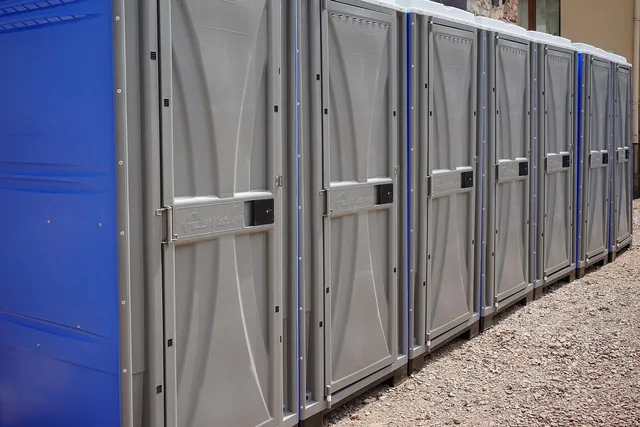
| Standard, non-flush | Two-person lift or dolly, level ground | None | Short wash, fresh charge |
| ADA-accessible | Same lift, plus a clear approach route | None | Short wash, ramp inspected |
| High-rise, construction | Crane hook and tag line | Placement set by the site | Heavy use, shorter cycle |
| Hand-wash station | One-person lift | Fresh water refill each visit | Soap and towel restock |
| Restroom trailer | Tow vehicle, level pad, tiedowns | Water and power on site | Long clean, dedicated crew |
| Luxury trailer | Tow vehicle, level pad, tiedowns | 30 to 50 amp service, water | Event-day clean |
Construction demand for the high-rise class follows a published count rather than a guess, and OSHA's construction sanitation table sets the minimum toilets per worker on those sites.
Add a class only after you have refused the same request three times. How many units of each class to hold sets the number, because a class with one unit cannot cover its own repair downtime.
Sizing the service truck from the route
Answer four questions in order and the specification writes itself.
- How many stops does one day hold, and how many minutes does each class take?
- How many gallons does each stop pull out of the waste tank?
- How far is the receiving point, and how often must the truck leave the route to dump?
- What is the tightest approach on the route, and what hose length and wheelbase does it allow?
Specify the truck from the route
- Estimate waste per stop and stops per load
- Measure distance to receiving point and trips per day
- Identify tightest accesslane, compound, field, structure
- Measure distance from legal truck stand to units
Fresh and waste tanks are sized together. A standard unit holds roughly 60 gallons when full, a typical figure in this trade. A 300-gallon waste tank therefore covers about five full pumps, or ten stops on partial service.
Fleet size decides wheelbase more than tank size does. Narrow site access favours a short truck. A long highway route favours a larger one.
Restroom trailers and hand-wash stations add fresh water demand, so the fresh tank usually runs smaller than the waste tank. Convert every route estimate into gallons before you shop.
The full load-out for a service truck, from hose reels to spare fittings, is worked through in which equipment belongs on the truck.
Anything you tow must meet FMCSA part 393 for lighting, brakes and couplings.
A fresh tank that runs dry mid-route costs a return trip, so oversize it slightly instead of matching it to the day.
Example: hose reach converted into minutes and money
Say your standard hose is 20 feet. A customer wants the unit 60 feet from the nearest point a truck can stand.
A placement you did not survey is a service you did not price.
That job needs 50 feet of hose, and on most sites a second person to move it. Extra handling adds roughly six to ten minutes per stop, a typical range that terrain will shift.
Twelve such stops cost one to two hours of route time in a day.
Before you quote, ask where the truck can stand and walk the distance. The three honest answers are to move the placement, add a handling line, or decline.
That handling line belongs on the quote, and the method for building it sits in how to price from the drive.
Consumables and the truck load-out
Every service visit consumes something: deodorizer charge, paper, soap or sanitizer, gloves, and fresh water. Those items decide whether the route finishes without a second trip to the yard.
Load the truck at the yard and count the load-out there. Counting at the first stop burns minutes you cannot bill.
Reorder against service cycles, not calendar weeks. A heavy month consumes what a quiet one spreads across two.
The four functions of a working yard
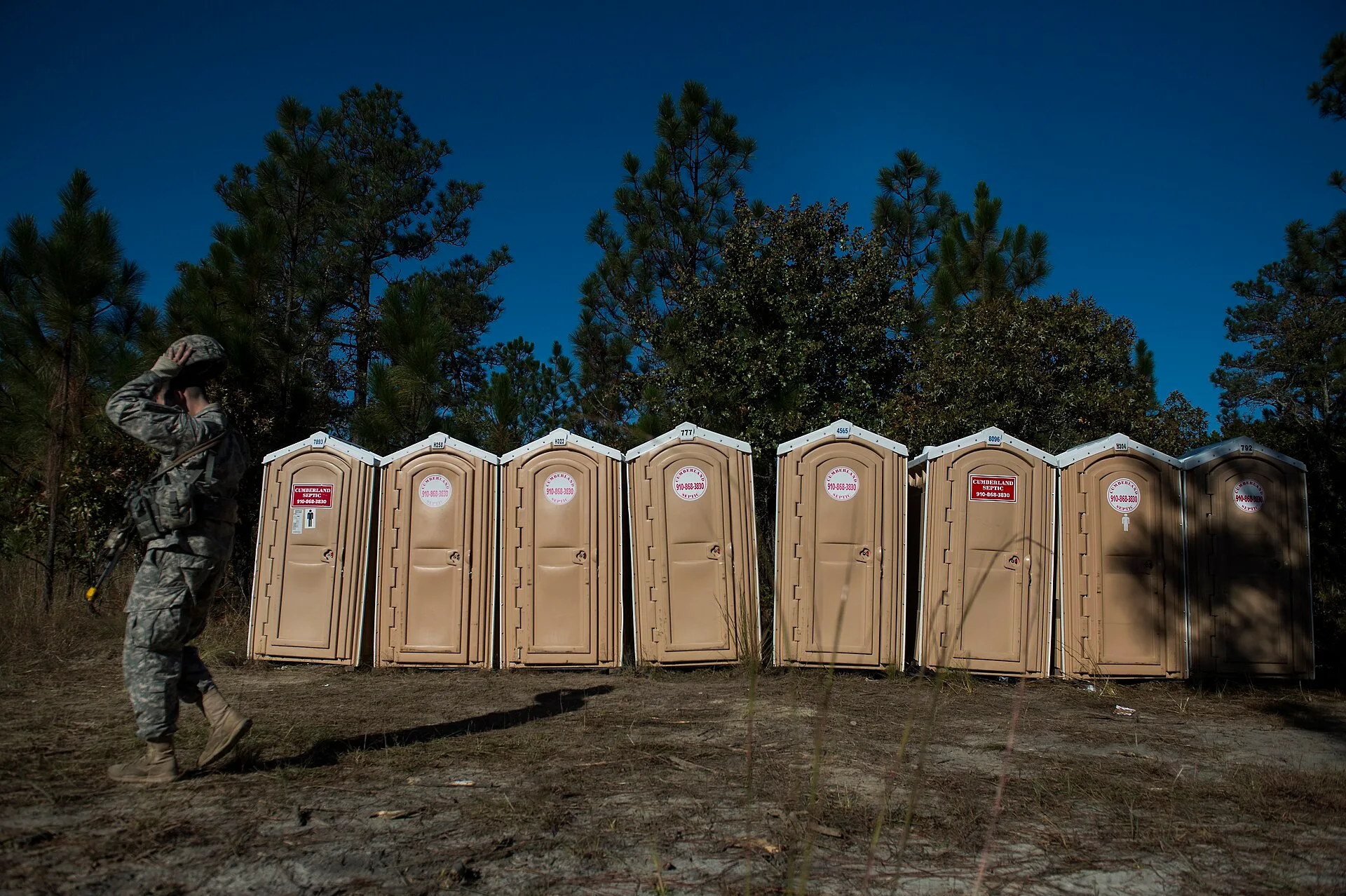
- Receive every return into a marked holding row
- Wash and inspect before a unit is released
- Repair at a bench stocked with wear parts
- Discharge wash water under a permit
Ready stock and returns must sit apart, because the commonest quality failure here is a returned unit going straight back out.
Waste you pump and the wash water you produce are regulated streams, and the EPA's RCRA overview is where to start before pouring a wash pad.
Safety in this trade is a layout question. Remove the lift, the reverse and the reach instead of warning about them.
The daily sequence that keeps the yard ahead of the route is set out in the workflow guide.
Year two should be bought from your own logs. Capacity that shortens a stop pays. A single-job specialty unit, a second variant of a class you already run, and a bargain lot with unverifiable history usually do not.