Guides
Standout restroom rental companies in 2027
The restroom rental companies worth studying in 2027 are the ones already standing on sites in your own market. Here is who they are and what to watch.
What to take away
- The seven names to watch in 2027 are United Site Services, WillScot Mobile Mini, WM, Satellite Industries, PolyJohn Enterprises, Diamond Environmental Services and A Royal Flush.
- None publishes a rate card. A standard unit rents for roughly $100 to $200 a month before delivery and servicing, a typical range and not a quote.
- Small accounts are welcome at some of these firms and ignored by others. The table below says which is which.
- Your nearest competition is a regional fleet running 200 to 2,000 units. A monthly census of your own routes beats any national list.
The seven operators, compared
These are the names a contractor or an event planner is most likely to meet. Rank them by where the trucks go, not by company size.
Base and reach
- United Site Services
- Westborough, Massachusetts; national, built by buying regional fleets
- WillScot Mobile Mini
- United States and Canada; combined in 2020
- WM (formerly Waste Management)
- National waste hauler; restrooms are one of many services
- Satellite Industries
- Minneapolis; manufacturer that rents in some markets
- PolyJohn Enterprises
- Whiting, Indiana; sells through dealers
- Diamond Environmental Services
- Southern California and the Southwest
- A Royal Flush
- New York metro and tri-state
Segment served
- United Site Services
- Multi-state contractors, industrial
- WillScot Mobile Mini
- Contractors already renting containers
- WM (formerly Waste Management)
- Large industrial and municipal sites
- Satellite Industries
- Fleets buying units and parts
- PolyJohn Enterprises
- Fleet owners buying units and support
- Diamond Environmental Services
- Events and construction needing pumping plus rental
- A Royal Flush
- Event planners and contractors
Small-account appetite
- United Site Services
- Low
- WillScot Mobile Mini
- Moderate
- WM (formerly Waste Management)
- Low
- Satellite Industries
- Moderate
- PolyJohn Enterprises
- Low, direct
- Diamond Environmental Services
- Moderate
- A Royal Flush
- Moderate
The final column reads the route model, not a published policy. None of the seven has posted a 2027 rate card or an expansion notice that can be checked from outside.
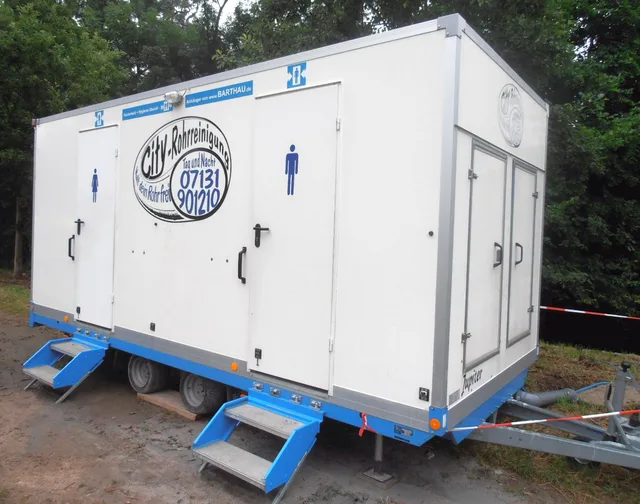
[figure 1]
Rates stay invisible from the roadside. Distance, service frequency, unit class and event duration all move the number. Build yours from the typical band, using the drive time method in how to set profitable rental prices.
Canadian buyers meet some of the same names, but site rules differ. Ontario sets sanitation requirements for construction work in Ontario Regulation 213/91, which a US-only checklist will miss.
The four traits that separate these operators
- Drive time to a disposal point. A fleet competes inside the radius its pump truck covers.
- Appetite for small accounts. Some route models only pay off at forty units a stop.
- Service classes. Pumping, accessible units, hand wash and trailers are separate capabilities.
- Accountability after delivery. Who answers when a visit is missed on a Friday says more than the brand.
Size alone describes none of this. A 400-unit regional fleet with two pump trucks and tight dispatch can outserve a national branch a county away.
The monthly field census
Two hours on a route once a month produces the picture no national list can give you. Record only what is visible from public ground.
- Operator name printed on the unit.
- Unit count standing at the site.
- Unit classes present, including accessible and hand wash units.
- Placement quality and site access.
- Condition, branding and evidence of a recent visit.
Log the date and the site with every entry. The sheet becomes a time series rather than one impression.
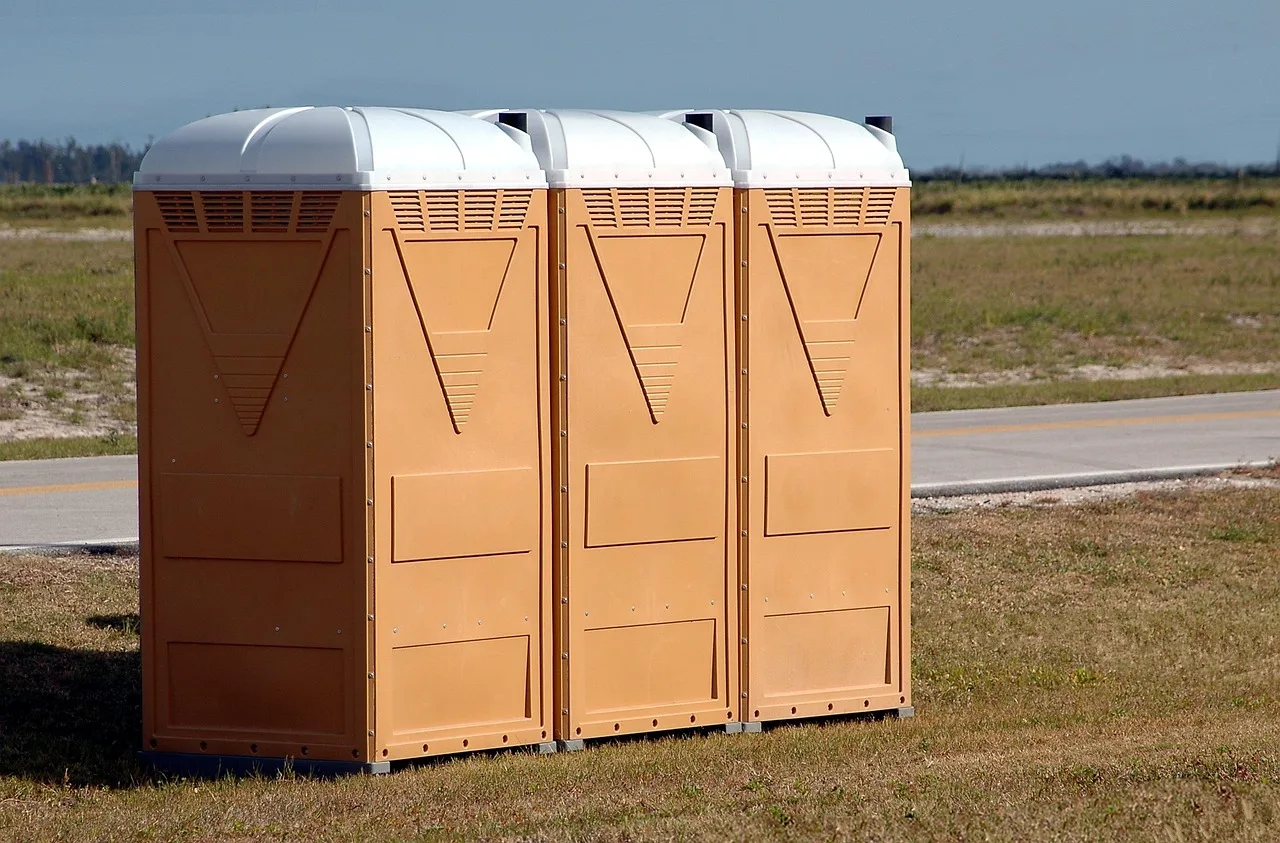
[figure 2]
The census also marks the edge of your own growth: the work you can serve and the work you cannot. What limits growth here sets out the gate sequence to run before chasing a new area.
What to do with the census
Look for gaps rather than rivals. Three show up repeatedly.
- Sites where the visible standard is poorbad condition, placements never surveyed, missed visits. Those accounts are won on service.
- Areas with demand and no visible operator. Check whether a distant disposal point explains it first.
- Operators near a transition, such as a retiring owner or an unmaintained fleet.
A census gives observations, not conclusions. Keep it out of pricing talks, out of public claims and out of any plan to chase work beyond your radius.
The site requirement belongs to the customer. OSHA's sanitation standard is the federal baseline for workplace toilets, and state plans can add to it.
When you take an account from an incumbent you inherit the site and its habits. Which license applies where you work covers the permissions that travel with that work.
Public bid, permit and wage data to track
Bid results from agencies and municipalities are usually public. They show which operators win contract work. Award terms rarely surface, but unit counts often do.
Building permits are the most forward-looking record an operator can read. They mark where standing orders will appear over the next year. Event permits show which venues require what.
Wage data matters for a different reason. Your competitors hire from the same labor pool you do, so check Bureau of Labor Statistics wage tables before adding a second route.
Where you take the findings is a marketing question. How a rental business finds customers covers the approach that works on the accounts a census turns up.