Guides
How New Orleans event permits and fire-code siting cap festival restroom counts
New Orleans event restroom counts are capped twice, once by the city permit file and again by fire-code siting rules along the parade route.
What to take away
- Two things cap a festival restroom countthe permit file and fire-code siting. Special event restroom permits in New Orleans are filed with the Department of Safety and Permits at the One Stop Shop in City Hall, not with the fire department.
- Fire-code siting keeps banks out of exit width, fire apparatus lanes and the accessible route.
- Mardi Gras season attendance is commonly cited near 1.4 million people, and Jazz Fest runs seven days at the Fair Grounds, so counts run into the hundreds or thousands of units.
- The 2010 ADA Standards require 5 percent of each cluster of portable toilets to be accessible, with at least one per cluster, so many small banks raise the total.
- Multi-day events need a sanitation plan, a licensed hauler and servicing logs; Louisiana DEQ regulates septage disposal.
Which New Orleans office issues a special-event permit
Special-event permits in New Orleans come from the Department of Safety and Permits. Applications are filed at the One Stop Shop in City Hall, 1300 Perdido Street.
The file then goes out for review. New Orleans Fire Department Fire Prevention looks at placement and egress. The New Orleans Health Department looks at sanitation. Public Works and NOPD weigh in on street closures and traffic.
The Special Event Permit Application asks for the footprint, hours, expected attendance and a site plan. The restroom count and each bank's location are attachments to it.
The city's permit requirements and the offices involved are listed through city permit services. Read the event section before drafting, because the checklist changes with event type and venue.
Large events with street closures also go through the Mayor's Office of Cultural Economy, which handles parades and major festivals. It coordinates the review rather than replacing it.
Restroom placement is rarely why a permit is denied. It is often why one is delayed. Reviewers want a site plan showing where each bank sits, how many units it holds, and how a pump truck reaches it.
Knowing which permission a job actually requires saves a week of rework when you work festivals in more than one state. Here the city permit is the permission.
On private property the city still gets involved when the public is invited or when streets close. Confirm a permit is needed rather than assuming it is not.
Fire-code placement distances and egress rules for restroom banks
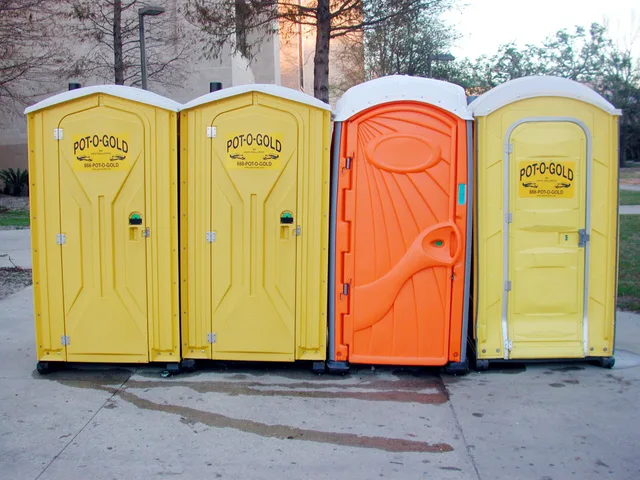
Fire-code siting is about keeping the exit path clear. A restroom bank is a solid object with a queue in front of it, and both can block egress when they sit wrong.
Fire-Code Restroom Placement Rules
- Keep banks out of fire apparatus lanes
- Leave 3-foot clear space around hydrants
- Keep exit discharge path open
- Accessible unit route at least 36 inches
- Keep a clear route for ambulances
Occupancy and egress rules that govern where event restrooms can stand come from NFPA 101, the Life Safety Code.
NFPA 101 sizes egress at 0.2 inch of clear width per occupant on level surfaces. A bank parked in that width cuts the exit capacity the plan was approved on.
Fire-code siting and placement rules also draw on NFPA 1, the Fire Code, and building and grounds requirements sit in NFPA 5000.
The distances reviewers apply most often:
- Keep banks out of fire apparatus lanes. IFC 503.2.1 sets those lanes at not less than 20 feet of unobstructed width, and IFC 503.2.2 sets 13 feet 6 inches of vertical clearance.
- Leave a 3-foot clear space around every fire hydrant, the rule in IFC 507.5.5.
- Keep the exit discharge path open under NFPA 101, Section 7.7. A queue spilling into it is a violation even when the units are parked correctly.
- Put each accessible unit on an accessible route at least 36 inches wide.
- Keep a clear route for ambulances and pump trucks to every bank.
- Show each bank's distance to the nearest exit on the plan.
Distances are not one number for every site. The reviewer applies the adopted code to occupant load, exit count and width, and how fast the crowd clears.
The four numbers that do not move are 20 feet of fire lane width, 13 feet 6 inches of vertical clearance, 3 feet around a hydrant and 36 inches on the accessible route.
This is where siting caps the count. On an Uptown parade route the street is the fire lane and the sidewalk is the exit path, so banks move to the neutral ground or side streets.
A block with room for four banks cannot hold eight, whatever the ratio says. The fire reviewer caps the count before the health reviewer sees it.
On a typical Uptown parade-route block face, four to six banks of two to four units each fit, so 8 to 24 units. That is a planning estimate, not a city figure.
The ceiling comes from how many 36-inch accessible routes the sidewalk can give each bank, and how much width the pump truck needs.
How crowd size caps unit counts at Mardi Gras scale
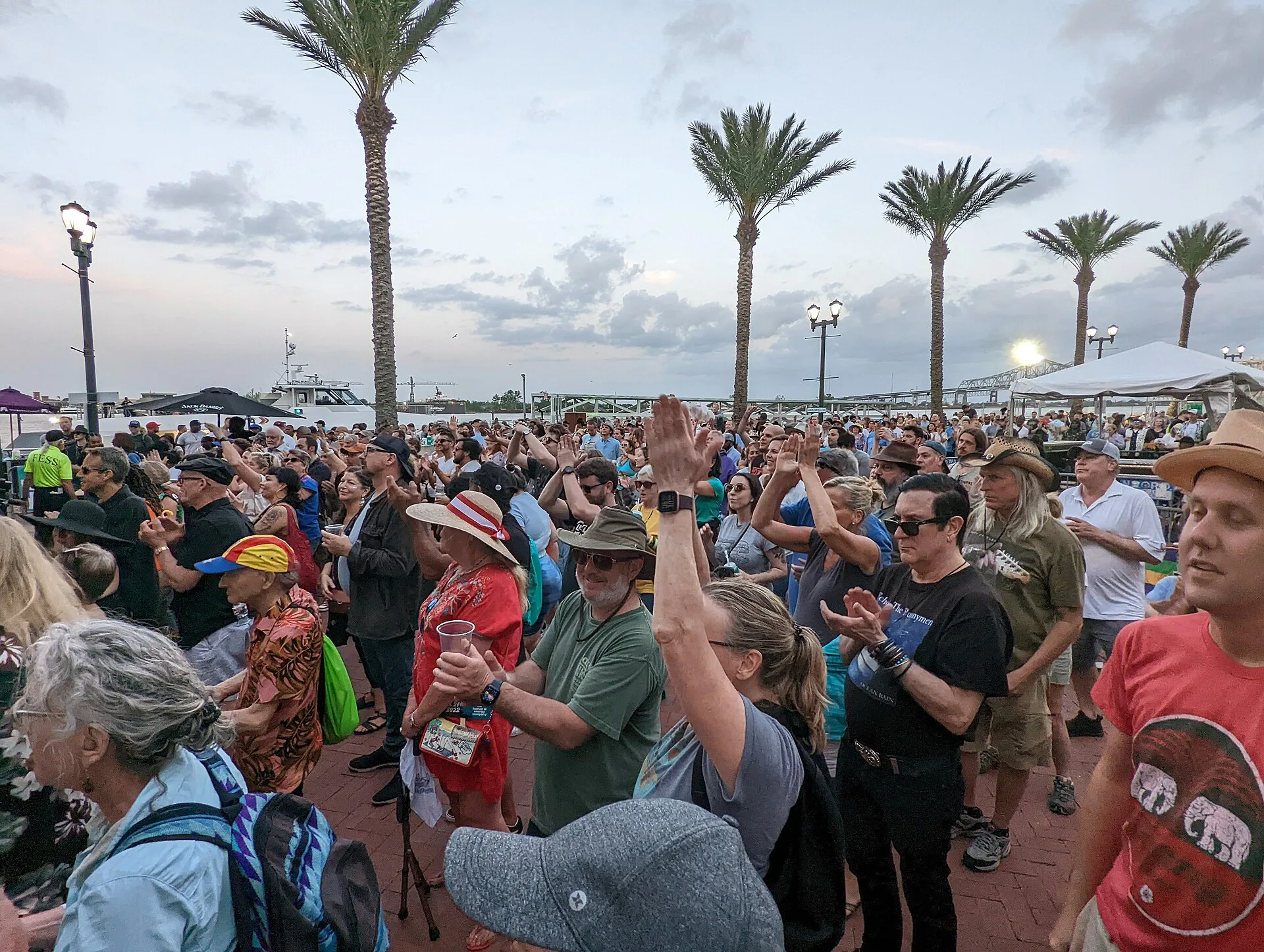
Mardi Gras is the demand test. Season attendance is commonly cited near 1.4 million people, most of it packed into the final five days. Fat Tuesday alone puts hundreds of thousands along the Uptown and Mid-City routes.
Peak-Hour Crowd vs Baseline Units
- 50010-12
- 2,50050-60
- 10,000200
- 50,0001,000
- 100,0002,000+
Parades run on a published schedule, so the peak hour is knowable. The city checks the unit count against the attendance estimate on the application.
A bigger estimate triggers more units, more servicing and closer placement review. An estimate that turns out too low is worse than an honest one, because the event can be conditioned or shut down mid-run.
Planners working New Orleans routes commonly start near one unit per 50 people expected in the peak hour, tightened for alcohol service and long dwell times.
Crowd size caps unit counts
| Peak-hour crowd | Baseline units | Banks | Servicing visits per day |
|---|---|---|---|
| 500 | 10 to 12 | 2 | 1 |
| 2,500 | 50 to 60 | 4 to 5 | 2 |
| 10,000 | 200 | 8 to 10 | 3 |
| 50,000 | 1,000 | 20 or more | 6 or more |
| 100,000 | 2,000 or more | 40 or more | Crews on site |
Feed the numbers into a quote template before they go to a promoter. Then add hand-wash stations and accessible units at every bank.
Splitting a count into more banks multiplies the accessible units. The 2010 ADA Standards require 5 percent of each cluster of portable toilets to be accessible, with no fewer than one per cluster.
Ten clusters of 20 units need ten accessible units. The same 200 units in one cluster need ten, but split into twenty clusters they need twenty. Layout sets that bill, not crowd size.
Route geometry does the rest. A narrow stretch can only hold so many banks before the queue becomes the crowd problem, which is why placement and count are reviewed together.
Jazz Fest and festival-scale restroom planning
Jazz Fest runs seven days across two weekends at the Fair Grounds Race Course. Attendance is commonly reported near 400,000 across the run, and the site is fixed, so placement can be planned in detail rather than improvised.
Multi-day operation changes the servicing problem, because units have to be pumped while the festival is live.
Plan by zone:
Festival Restroom Planning by Zone
- Fix peak daily attendance and gate hours
- Set unit total, add accessible and hand-wash
- Divide total into crowd-sized zones
- Place banks against fire-code rules
- Set servicing outside gate hours
- File site plan and count with the city
Operators who serve these events treat the site plan as a sales document too. Winning more customers at festival scale usually means showing a promoter a plan that already answers the fire reviewer's questions.
Weather belongs in the plan. New Orleans sits in a hurricane zone from June 1 through November 30, and summer heat index values here regularly pass 100 degrees, which drives water and hand-wash demand.
July events such as Essence Festival fall inside hurricane season, so a storm can force a site change on short notice. Build slack into the count and keep spare units on the truck.
Forms, fees and lead times at the city permit office
Start with the Special Event Permit Application. Attachments usually include a site plan, the restroom count and locations, a sanitation plan naming the hauler, a certificate of insurance and a street closure request.
Fees come off the city fee schedule and scale with event classification, attendance and the number of days. A one-day neighborhood event commonly falls in the low hundreds of dollars, and a multi-day festival with street closures runs into the thousands.
Those are typical ranges, not city figures. The published schedule for your classification is the number that counts. Parade permits are handled separately, so do not fold them into a festival filing.
Lead times run long for large events. A neighborhood block party and a seven-day festival do not move through review at the same speed.
A small neighborhood event typically clears review in two to four weeks. A large festival with street closures typically needs eight to twelve weeks. File early enough that a reviewer's question does not become a missed date.
Six authorities govern this work in most states, from the local permit office to the state agency that controls disposal, and a festival file touches most of them at once.
Five habits keep a file moving. File the site plan to scale, name the hauler and its DEQ permit number, show the pump truck route, list accessible units bank by bank, and amend the count before the units arrive.
Permit File Habits That Keep It Moving
- Match unit count on form to site plan
- Name servicing contractor, disposal site, route
- List distances to exits, hydrants, fire lanes
- Attach site plan at readable scale
- Keep reviewer conditions with job file
Sanitation and servicing requirements during multi-day events
A multi-day event needs a servicing plan, not a promise. The New Orleans Health Department reviews sanitation, and the plan has to state who pumps, how often, and where the waste goes.
Multi-Day Servicing Schedule
- Before gates openPump units clean
- Mid-dayCheck busiest banks
- Between pump visitsRestock paper and sanitizer
- Before dawnPump trucks route around crowd
- Every loadManifests travel with waste
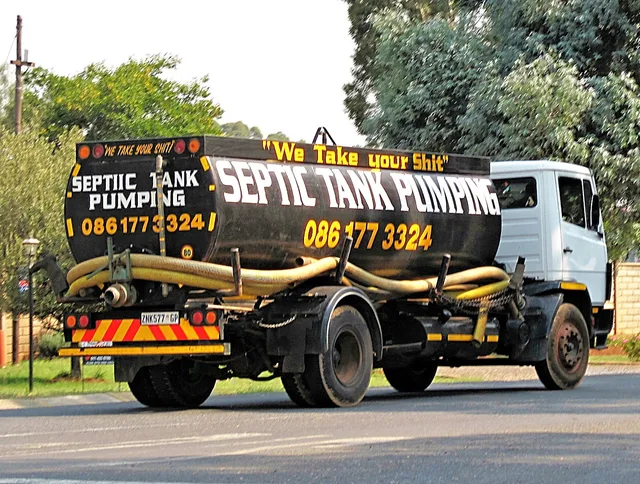
Louisiana regulates the disposal side. Septage is hauled under a Louisiana Department of Environmental Quality (DEQ) hauler permit. The receiving site holds its own DEQ permit, typically an LPDES permit or an approved treatment works. Manifests travel with the load.
Servicing frequency rises with crowd size and heat. A one-day event with 2,500 people may need two visits. The same crowd over four days needs a daily schedule plus a mid-day check on the busiest banks.
At Jazz Fest scale, pumping happens overnight between festival days so units are clean before gates open. Pump trucks need a route that avoids the crowd at peak hours, which usually means before dawn.
Restock is the part that gets skipped. Paper, hand sanitizer and wash water run out faster than the pump schedule suggests, so check and log it between pump visits.
On an event site, what inspectors expect is the same record trail as anywhere else: pump tickets, disposal manifests and restock logs.
Common questions
Does a restroom vendor need its own permit to work a New Orleans festival?
The event holder files the special-event permit, and the restroom count and placement are part of that filing. A vendor may also need local business licensing and a disposal arrangement, so confirm both before the job.
How far must a restroom bank sit from an exit?
No code sets one setback from an exit. Two fixed numbers apply on most sites: 3 feet of clear space around a fire hydrant, and 20 feet of fire apparatus lane width under IFC 503.2.1. The exit discharge has to stay clear under NFPA 101, Section 7.7.
Beyond those, the reviewer applies the adopted fire code to the occupant load and the exit layout, and expects a clear exit path plus access for emergency vehicles.
How many units does a 10,000-person event need?
A common planning ratio is one unit per 50 attendees in the peak hour, which puts a 10,000-person crowd near 200 units before accessible and hand-wash additions.
Can unit counts be raised after the permit is issued?
Yes, but it means an amended filing. Adding units usually triggers a fresh look at placement, so file the change before the units arrive on site.
Who handles waste from event restrooms?
A hauler holding a Louisiana DEQ septage permit takes septage to a receiving site that holds its own DEQ permit, and the manifests stay with the job file. Placement and disposal are handled by different offices.